Building Green Hydrogen Ecosystem
Interview with Aniruddh Agrawal, Chief Strategy Officer – Airox Nigen Equipments.
Ahmedabad-based Airox Nigen, a 30-year-old company in the industrial gases space, is expanding into green hydrogen production through electrolyser manufacturing. The company is building a 3 GW electrolyser plant in Haryana. This brief interview with Aniruddh Agrawal, Chief Strategy Officer at Airox Nigen, discusses their work in the Green Hydrogen space alongside the functional and technological aspects associated with it.
Can you briefly introduce Airox Nigen’s work in green hydrogen space so far, and how it fits into your broader energy and gas solutions portfolio?
At Airox Nigen, we’ve always been passionate about industrial gases, and now, we’ve taken that passion into the green hydrogen space. From powering hospitals with medical oxygen to supporting industries with nitrogen and gas solutions, stepping into hydrogen was a natural next move that we took over a decade ago.
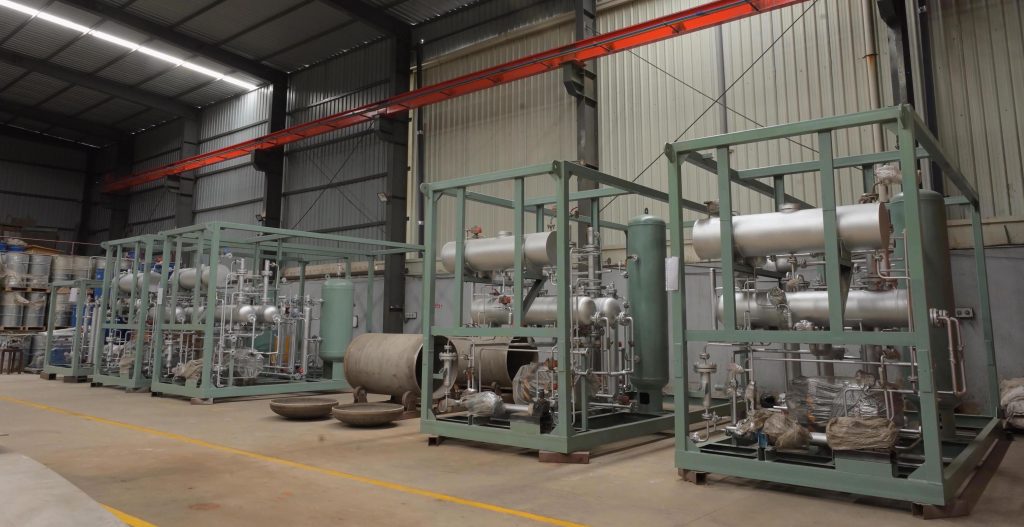
We have developed India’s first large-scale alkaline electrolysers, set up modular hydrogen plants, and are on a mission to build 100 hydrogen plants in the coming years. Green hydrogen is not just a side project for us, it’s a big, bold part of our core vision to enable clean, self-reliant energy solutions for India. Think of it as our next chapter in building a greener, gas-powered tomorrow.
How do your green hydrogen systems ensure reliability and efficiency when powered by variable renewable sources like solar or wind?
Let’s face it, renewables are fantastic, but the sun doesn’t shine 24/7, and the wind has a mind of its own! That’s where our smart systems step in. Airox Nigen’s electrolysers are designed to work smoothly even with fluctuating solar and wind power.
We’ve built in load-balancing tech and energy management tools to maintain steady output, minimise wastage, and make sure every watt counts. The goal? Keep hydrogen production humming along, even when nature is feeling moody. It’s clean energy made smart, reliable, and ready for India’s ambitious green future.
You’ve deployed several container-based hydrogen systems. How flexible are these setups for different customer needs, and how easy is it to scale them up for larger use cases?
Our container-based systems are like the Swiss Army knives of hydrogen production, versatile, compact, and ready to go. Whether you’re powering a bus fleet in a city or fuelling a remote industrial site, these units can be dropped in and fired up with minimal fuss. They’re modular by design, which means customers can start small and scale up as needed, just plug in another container. Need more capacity? Add a unit. Changing location? No problem. Flexibility is built in, making these setups perfect for the evolving needs of India’s mobility and energy sectors.
How are you addressing thermal management and electrolyte degradation in continuous-use scenarios, especially for installations in high-temperature climates?
Great question, because heat is no joke! Our electrolysers are built to handle the heat, quite literally. We’ve incorporated smart thermal regulation systems, think of it like a personal air conditioner for the machine. This keeps things cool, even when the sun is blazing. On top of that, we use advanced electrolytes that are more stable and designed for long life, reducing the need for frequent replacements. Whether it’s a desert in Rajasthan or the dunes of Dubai, our systems are engineered to stay efficient, safe, and productive in even the harshest climates.
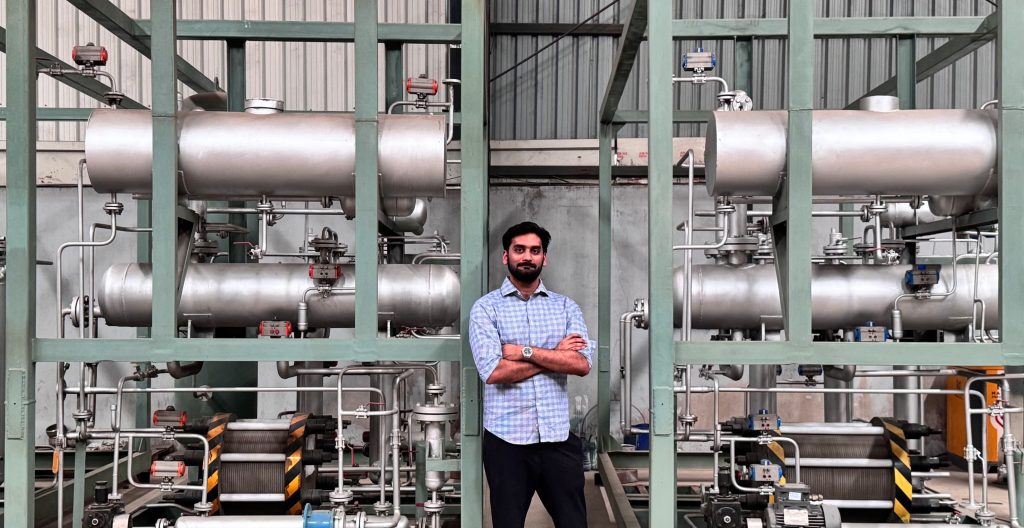
You’ve chosen to focus on alkaline electrolyzers – what makes this the right choice for India’s green hydrogen market? Are there plans to diversify into other technologies?
Alkaline electrolysers are like the old-school legends, reliable, proven, and cost-effective. They’re especially great for industrial-scale hydrogen production, which is exactly what India needs right now. That’s why we’re focused on refining and indigenising alkaline technology to make it affordable and accessible.
But we’re also keeping an eye on the future. We’re actively exploring newer technologies like PEM and AEM, especially for niche and high-efficiency applications. So yes, while alkaline is our go-to today, we’re definitely not putting all our hydrogen eggs in one basket.
What role do you think decentralised hydrogen generation will play in India’s hydrogen economy over the next decade?
Imagine having clean hydrogen just where you need it, no giant pipelines, no delays. That’s the beauty of decentralised generation! Containerised and modular systems can bring hydrogen to bus depots, railway sidings, factories, even rural hubs. Over the next decade, this model is going to be key for India. It reduces infrastructure costs, speeds up adoption, and empowers local ecosystems. We see it as the backbone of a truly inclusive hydrogen economy, where clean energy isn’t just for the big players but is accessible to all.
What role does Airox Nigen aim to play in India’s green hydrogen ecosystem over the next 5–10 years, and what are your top strategic goals moving forward?
We’re not just riding the hydrogen wave, we’re helping shape it. Airox Nigen aims to be a top indigenous hydrogen tech provider in India. By building a 3 GW electrolyser plant in Haryana, our focus is scale, speed, and sustainability. We want to make green hydrogen affordable, localised, and ready for real-world use.
Our strategic goals? Expand manufacturing, strengthen public-private partnerships, and keep innovating. In short, we’re here to fuel India’s green dreams, one molecule at a time.
Also read: Cygni Energy Inaugurates BESS Manufacturing Facility
Subscribe to our Newsletter
Subscribe today for free and stay on top of latest developments in Cleantech domain.