India, Australia and Bangladesh Expand DER Capacity
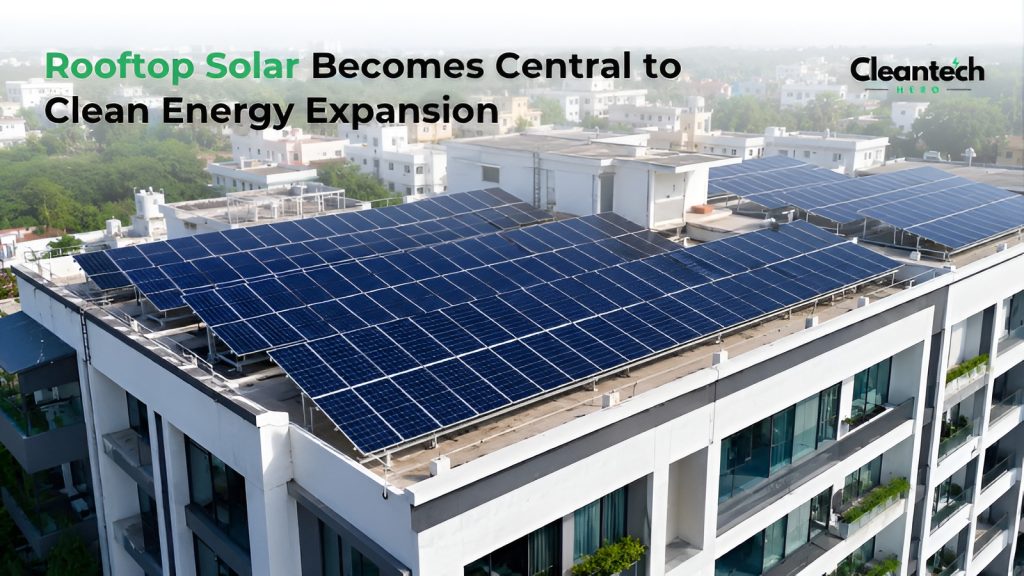
IEEFA’s new briefing note examines the role of distributed energy resources (DERs) in the energy transition across India, Australia, and Bangladesh. It finds that rooftop solar is the main driver of DER growth in all three countries.
In India, DER-solar capacity increased from 1.8GW in FY2018 to 31.5GW in FY2026. The country has 637GW technical potential for rooftop solar, along with more than 29 million irrigation pumps that can be solarised.
Australia has expanded rooftop solar adoption, with panels installed on around 40% of homes. Rooftop solar contributed more than 13% of electricity generation in the National Electricity Market in 2025.
In Bangladesh, rooftop solar growth is increasing, mainly through industrial installations. While official data reports 418.1MW of rooftop solar capacity, IEEFA estimates capacity from 239 establishments at 667MW, with potential to reach 1,000MW.
The briefing note highlights the need for wider DER access, battery storage expansion, smart meter deployment, and improved financing options for households, farmers, and small businesses.
Gaurav Upadhyay, Lead Analyst – Sustainable Finance at IEEFA – South Asia, said “In India, DER growth has been driven by two flagship schemes, PM Surya Ghar Muft Bijli Yojana and Pradhan Mantri Kisan Urja Suraksha evam Utthaan Mahabhiyan (PM-KUSUM). Backed by diverse business models, including capital expenditure (CAPEX), renewable energy service company (RESCO)/operating expenditure (OPEX), and utility-led implementation models, these schemes have broadened market participation and accelerated DER deployment across urban and rural areas.”
Jay Gordon, Energy Finance Analyst, Australian Electricity at IEEFA, and co-author, said, “Rooftop solar has reshaped Australia’s grid, cutting deep into coal’s share of generation. Now residential batteries are emerging as the next frontier, with the uptake seen since the launch of the Cheaper Home Batteries Program in July 2025 far exceeding what most forecasts expected.”
Shafiqul Alam, Lead Analyst, Bangladesh Energy, IEEFA – South Asia, and co-author, said, “The sector is expected to grow further, with engineering, procurement, and construction (EPCs) companies holding a project pipeline of more than 500MW. Bangladesh’s diesel-dominated irrigation sector also offers vast opportunities for solar-powered irrigation, with a full transformation of the sector potentially adding 4,000MW of solar capacity and cutting the country’s annual diesel import bill by around USD244 million (BDT30 billion)”
Also Read: IndiGrid commissions India’s FIRST Regulated Utility-Scale BESS
Subscribe to our Newsletter
Subscribe today for free and stay on top of latest developments in Cleantech domain.